Wednesday, 13 July 2016

SumTips: 5 Reasons to NOT Download Pokémon Go

Pokémon in the wild
[Image source: Sadie Hernandez]
If you aren't one of the 10 million people who have downloaded Pokémon Go in the last 2 weeks, consider yourself lucky, not left out. The augmented reality mobile game has been praised for getting gamers off the couch and into the real world, but its unique approach has also proven to bring a host of insecurities.

SumRando offers 5 reasons mobile devices and Pokémon monsters don’t mix:

1.    Unrestricted access to your Google account: iOS users choosing to join Pokémon Go with their Google account were in for a surprise: a code error gave developers “full access” to Google accounts. According to Google, “When you grant full account access, the application can see and modify nearly all information in your Google Account.” Think: sending emails, reading documents and viewing search history and images.

2.    Game “lures” to unsafe locations: In case the threat of utilizing public Wi-Fi wasn’t bad enough (don’t forget your VPN), Pokémon Go allows players to “lure” others to selected locations. Already, four American teenagers have used the feature to target and rob fellow players.

3.    Risk of hacking for users outside of Australia, New Zealand and the United States: Pokémon Go has been officially released in only three countries, leaving eager users in the rest of the world with unofficial, security-compromising versions. Beware: in order to “side-load” unofficial versions, users must first disable security settings, leaving themselves open to malware attacks.

4.    Excessive data collection: Niantic, the startup behind Pokémon Go, has access to precise and general locations of players, as well as USB storage, contacts and network connections for Android users and camera and photos for iPhone users (along with the aforementioned Google account information). In turn, Niantic has the right to share this information with third parties, including law enforcement and buyers. Further, it is unclear how securely the small firm keeps all this data. Just imagine where it could end up…

5.    Risk of data breach: A database as full as Pokémon Go’s is simply a breach waiting to happen. Gary Miliefsky, former U.S. Department of Homeland Security advisor and current CEO of SnoopWall, a cybersecurity company, predicted, “When they hit 25 to 20 million records, they’re going to be breached, and they’re at 10 million right now.”

If you still feel an urge to chase Pokémon characters around town, try the old-fashioned trading cards. Your security will thank you.


SumRando Cybersecurity is a Mauritius-based VPN, Web Proxy and Secure Messenger provider. Surf secure and stay Rando!

Tuesday, 12 July 2016

SumVoices: Algeria prevents exam cheating by cutting off the entire internet: Is it the right solution?

Our last installment of SumVoices featured Venezuelan lawyer and digital rights activist, Marianne Díaz Hernández, in English and Spanish. This month we bring you the insight of Algerian journalist and blogger, Rim Hayat Chaif, in English and Arabic.

Algerian journalist and blogger Rim Hayat Chaif
The second session of the Algerian baccalaureate exam occurred from June 19-23. With an overall cutoff of internet (from 20:00 the day before until 14:00 the day of the exam), more than 300,000 high school students had to retake the exam for a second time because of the massive fraud that occurred in the first session where the questions were flying around social media.

After this fraud, the Algerian authorities determined that in order to prevent high school students from cheating or being victims of wrong questions shared on social media, the best solution was to shut down the internet for the entire Algerian population, an unconscionable step decided without considering the consequences, unconscionable because the current Algerian economy cannot handle such international isolation at a time of seeking a new model of growth. Unconscionable because it prevented many Algerian institutions from doing their work normally for many hours. Unconscionable because it was not just social media platforms that were banned but even Google – how can Google be responsible for questions leaking?

According to official estimates, 18 million Algerians out of a population of 40 million are active on the internet and social networks.

The Algerian economic expert and international consultant Abdelmalek Serrai said in a statement to “the Algerian public radio Channel 1” that “this cut has caused financial losses estimated at 300 million dollars to the Algerian economy”.

The cutoff of internet and social networks has generated substantial financial damage to the Algerian economy. The banks were paralyzed, as it seriously disrupted their financial operations; Algerian and foreign companies were unable to complete their commercial transactions; students, researchers, and workers couldn’t work…it was as if all 40 million Algerians were taking the baccalaureate exam.

The risk of fraud for the second time could have been prevented if the authorities had chosen to encrypt the exam questions and print them at exam centers instead of transporting hard copies across the country as usual.

This decision surprised everyone, but it has shown that the Algerian authorities have a real political weapon called “censorship”.

According to Access Now, a UN resolution followed recent internet shutdowns in many countries, including Turkey, Bahrain, and Algeria. Global policy and legal counsel at Access Now, Peter Micek, said, “Development and human rights protections are strengthened in tandem when networks remain open, secure, and stable. All stakeholders, from telcos to activists to judges, must band together to demand an end to shutdowns”.

Rim Hayat Chaif


Want more SumVoices? Read on!

SumRando Cybersecurity is a Mauritius-based VPN, Web Proxy and Secure Messenger provider. Surf secure and stay Rando!

SumVoices: الجزائر تتخذ حجب الانترنت كحل من أجل وضع حد لتسرب أسئلة امتحانات البكالوريا

صحفي جزائري والمدون ريم الحياة Chaif

نظمت الدورة الثانية لامتحانات البكالوريا من 19 الى 23 جوان المنصرم مع قطع شامل للأنترنيت منذ الساعة الثامنة مساءاً حتى الساعة الثانية بعد الضهر لليوم الموالي، وقد اعاد أكثر من 300.000 طالب جزائري للمدرسة الثانوية الامتحان بقرار حكومي بعد تسرب مواضيع الامتحان على مواقع التواصل الاجتماعي في الدورة الأولى التي الغيت نتائجها.

بعد حادثة تسريب مواضيع البكالوريا، و من اجل عدم تكرار حالة الغش لطلاب الثانوية أو عدم وقوعهم كضحايا للأسئلة الخاطئة التي تنشر على مواقع التواصل الاجتماعي، جاءت السلطات الجزائرية بحل أمثل حسبها و هو بحجب الانترنيت عن كل الشعب الجزائري, هذه الخطوة الغير المدروسة و القرار غير الصائب و الذي جاء كرد فعل فجائي أعلن بدون حساب العواقب المترتبة عليه، غير مدروس لان الاقتصاد الجزائري الحالي لا يمكنه تحمل مثل هذه العزلة الدولية في حين انه يسعى للحصول على نموذج جيد للنمو, خطوة غير مدروسة لأنه منع المؤسسات الجزائري من الدخل للشبكة العنكبوتية للقيام بعملها اليومي. الحجب شمل حتى موقع شركة جوجل، وما علاقة جوجل بتسريب الاسئلة وعدم قدرة السلطات المحلية من السيطرة على حالة الفساد.

ويقول خبير الاقتصاد الجزائري عبد المالك صراي في تصريح للإذاعة الوطنية 1 " تسبب هذا القطع العام للأنترنيت بخسائر مالية تقدر ب 300 مليون دولار للاقتصاد الجزائري"

وقد نتج عن حجب وسائل التواصل الاجتماعي والانترنيت ضرر كبير على الاقتصاد الجزائري بحيث شلت البنوك و تعطلت عملياتها المالية بشكل كبير،كما تعطلت المعاملات التجارية بين الشركات الأجنبية و الجزائرية، الطلاب والعاملين بمجال الانترنيت لم يستطيعوا انجاز اعمالهم كما لو انه امتحان البكالوريا شمل 40 مليون جزائري.

وفقا للتقديرات الرسمية انه 18مليون مواطن جزائري من أصل 40 مليون عدد السكان يستعملون شبكة الانترنيت ومواقع التواصل الاجتماعي.

كان يمكن اتخاذ طرق أخرى لتجنب مخاوف اعادة تسريب مواضيع البكالوريا دون ان تسبب ضررا في القطاع العام، كانت تستطيع السلطات الجزائرية تشفير الاسئلة وطباعتها ساعة الامتحان في موقع الامتحان بدلا من نقل وارسال النسخ مطبوعة على جميع انحاء البلاد.

وقد كان قرار حجب الانترنيت صادماً للجميع ولكن اظهرت من خلاله السلطات الجزائرية بأن ليدها سلاح سياسي والذي هو "الرقابة"

وفقا لمنظمة أكسس ناو في قرار الامم المتحدة في ما يلي حجب الانترنيت في الاونية الاخيرة بالعديد من البلدان منها تركيا, البحرين والجزائر و بعض البلدان الاخرى حيث قال المستشار القانوني والسياسات العالمية في منظمة أكسس ناو بيتر ميجيك " يعزز الانترنيت التنمية و حقوق الانسان عندما يكون امناً و متاحا للجميع, يجب على كل الفاعلين من مزودي خدمة الانترنيت و الناشطين و القضاة ان يعملوا معا من اجل الحد من حجب الانترنيت"

ريم حياة شايف


هل تريد المزيد من SumVoices؟ واصل القراءة!

SumRando Cybersecurity is a Mauritius-based VPN, Web Proxy and Secure Messenger provider. Surf secure and stay Rando!

Thursday, 7 July 2016

Digital Divide: Emerging Economy Cyber Alerts - July 7, 2016


Policy
 their legislation today could be yours tomorrow 

Indian flag and map


India’s Supreme Court has dismissed a public interest litigation petition requesting end-to-end encrypted messaging apps to be banned. The case was brought by Sudhir Yadav, a Right-to-Information activist who sees encryption as a threat to national security; Yadav is expected to follow up with a complaint to the Telecom Disputes Settlement and Appellate Tribunal (TDSAT). 


Privacy, Surveillance and Censorship
government isn't always on your side

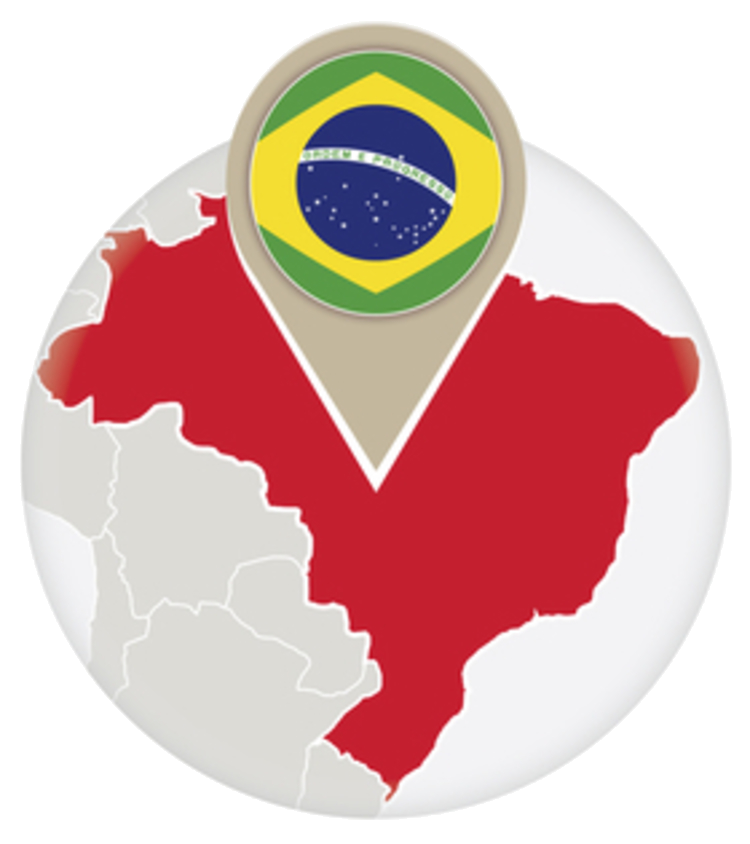
Brazilian flag and map


A Brazilian court has frozen $6 million USD of Facebook’s money as punishment for ignoring repeated requests for the WhatsApp messages of several suspected international drug traffickers. WhatsApp, which utilizes end-to-end encryption and does not store user messages, argued that it has nothing to give, leaving the company in yet another standoff with the government.


Turkish map and flag

Turkey responded to last Tuesday’s Ataturk airport bombing in a predictable fashion: with a shutdown of Facebook and Twitter and a reminder that sharing images or news of national tragedies is officially banned. Undeterred, citizens turned to VPNs to access much-needed social media and were able to utilize Facebook’s Safety Check and respond to tweets regarding emergency blood donations. 


American flag and map 

In America, it appears that asking for permission is the same as receiving it. In April, it was revealed that in 2015 the United States Foreign Intelligence Surveillance Court received—and granted—1,457 phone and email interception requests and more recently that state and federal authorities requested—and were granted—4,148 wiretaps.


Research and Initiatives 
making your world a more cybersecure place

Ecuadorian flag and map
Quito, Ecuador hosted Cybersecurity Week last week, a joint venture of the Ministry of Telecommunications and Information Society (MINTEL), the International Telecommunications Union (ITU), the Organization of American States (OAS) and the Agency for Regulation and Control of the Telecommunications (ARCOTEL). The event served as an opportunity for government representatives to develop cybersecurity policies and regulations and for others to enhance their cybersecurity knowledge. 


Cyberattacks 
the threat we all face 

Emirati flag and map

A recent Symantec report revealed the United Arab Emirates to be the primary 2015 Middle Eastern recipient of Trojan Laziok, a malware program targeting energy companies. 25% of attempted cyberattacks were directed at the UAE while the numbers for Saudi Arabia, Kuwait, Oman and Qatar were 10%, 10%, 5% and 5%, respectively.


All images credit of BOLDG/Shutterstock.com.
Want more emerging economy cyber alerts? Read on!

Have valuable insight to share from your part of the world? Write for us!

SumRando Cybersecurity is a Mauritius-based VPN, Web Proxy and Secure Messenger provider. Surf secure and stay Rando!

Wednesday, 6 July 2016

SumTips: 7 Signs You’re at Risk of a Webcam Hack

Facebook's Mark Zuckerberg with tape over his laptop webcam
[Image credit: Facebook]
A recent photo of Mark Zuckerberg revealed something far more noteworthy than Instagram's latest growth milestone: the Facebook founder covers his laptop webcam and microphone with tape—and no one is calling him irrational or paranoid for doing so. In fact, the response to Zuckerberg’s laptop has largely consisted of cybersecurity experts reminding users that the smart thing to do is to take similar precautions. “What’s scariest about it is not who’s doing it but how easy it is to do,” acknowledged the Digital Citizens Alliance’s Adam Benson.

In case you’re wondering if you are at risk of an invasion of privacy via webcam, take note of our 7 warning signs below:

1.    You have a weak wireless password—or none at all. A strong password will keep hackers out of your wireless network. Be sure to always avoid insecure public Wi-Fi without the added protection of a VPN.

2.    You turn off your firewall and/or anti-virus protection. Hackers frequently take over webcams with malware sent via malicious email links. Although even the best security solutions are known to let new viruses through, turning them off entirely—even for a moment—will only increase your risk.

3.    You ignore software updates. “The biggest compromises that have happened over the past six to nine months often happened in an un-patched device that had a security vulnerability, and the patches weren’t applied fast enough,” reported Gerhard Eschelbeck, Google’s head of cybersecurity.

4.    You bought or borrowed a computer from an untrustworthy or unknown source. Before you login at an internet café or boot up the laptop you bought used, know that a previous user could now be spying on you.

5.    You click on attachments in emails addressed to you. Chinese hackers GhostNet took over nearly 1,300 webcams in more than 100 countries by sending out realistic-but-spoofed emails. As soon as users opened their email attachments, a Trojan virus was released and the hackers had complete webcam control.

6.    You spend time in front of your computer. In 2015, a Canadian woman discovered her webcam had been infiltrated when she received photos via Facebook of herself and her boyfriend watching Netflix. Her story is just one of the countless personal events that webcam hackers document when unsuspecting individuals think no one is watching.

7.    You don’t use a SumRando Cybersecurity webcam cover. Zuckerberg used tape, but we have something better: custom-designed SumRando webcam covers for your computer and smartphone. Email us at contact@sumrando.com to receive a complimentary set of 5.

We live in a world in which webcam hacking is a real threat for everyone from Facebook founders to everyday internet users. Take necessary precautions, surf secure and stay Rando!

SumRando Cybersecurity is a Mauritius-based VPN, Web Proxy and Secure Messenger provider. Surf secure and stay Rando!